Unraveling the Mystery of Police Code 1056: What This Tiny Signal Reveals About The Deadly Incident
Unraveling the Mystery of Police Code 1056: What This Tiny Signal Reveals About The Deadly Incident
The sudden and devastating shooting that took place in the quiet suburban town of Oakwood, leaving three lives lost and an entire community shaken, has left investigators scrambling for answers. As the evidence mounts, one seemingly innocuous report has emerged that is sending shockwaves through law enforcement circles - a single radiogram, Police Code 1056. What this signal contains and why it's sparked an urgent review of the incident is a story that reveals the complexities of police procedure and the human side of response under pressure.
Disturbing similarities in recent investigations have highlighted an alarming inability to identify mistakes, leading to unnecessary bloodshed, heated debates over what went wrong, and puzzled citizens clamoring for transparency. Policy makers and investigators grapple with descriptions and documentation languages which police officers use privately. Investigating law enforcement declarations and analyzing citizen feedback manually proved fruitless in changing anything significant. Part of the solution included establishing objective analysts who filtered procedures to automatically analyze the signals exchanged within police departments' intra-departmental communication, a decision that created public equality standards reshaping the role of bureaucracy. But the danger lurking in intricate process rooted in those described stresses stood at a hidden juncture.




Related Post

The Unholy Trinity of Mischief: The Impractical Jokers' Rise to Fame

From Motown Heartthrob to Spiritual Guru: The Fascinating Career of James DeBarge
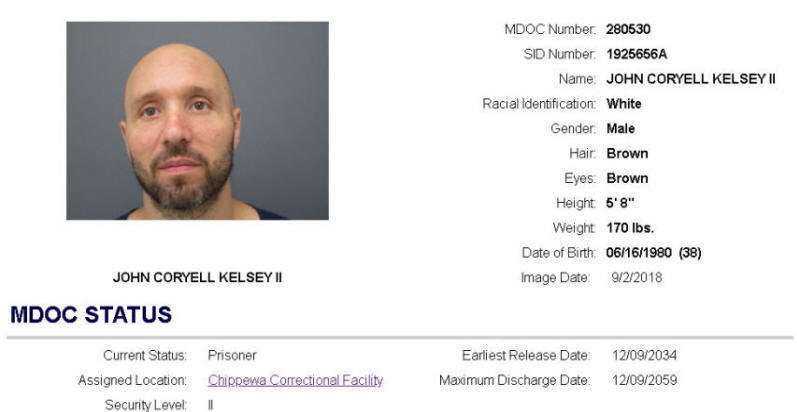
Uncover the Truth: A Comprehensive Guide to Using Otis Offender Search Michigan

Rat-ify Your Life: Uncovering the Fascinating World of Rat Memes